
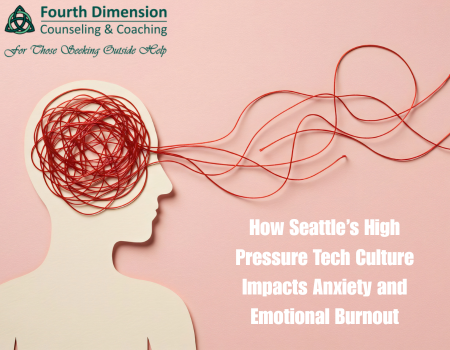
 Seattle’s identity is deeply tied to innovation. It is home to some of the world’s biggest tech companies, fast-growing startups, and an always-on culture that celebrates high performance, rapid iteration, and constant growth. But beneath the excitement and ambition lies a quieter reality: many workers across the region are experiencing rising anxiety, chronic stress, and emotional exhaustion.
The competitive pace, long hours, and constant pressure to deliver can take a toll on mental health. For many professionals, seeking tech anxiety counseling in Seattle or burnout therapy in Bellevue is becoming an essential step in regaining balance.
Here is a deeper look at how the local tech environment impacts emotional wellbeing—and the coping tools employees can use to protect themselves.
Seattle’s Tech Ecosystem: High Achievers, High Stress
Seattle’s tech professionals work in a landscape shaped by innovation and intense expectations. The culture often pushes for:
- Faster production cycles
- Tight deadlines
- Continuous upskilling
- High stakes product launches
- A competitive environment where “good” rarely feels good enough
While this culture drives growth and breakthroughs, it also creates constant pressure that can manifest as anxiety, irritability, insomnia, and emotional exhaustion.
Many employees report feeling like they must always be available, always improving, and always performing at peak levels. This long-term, unchecked stress is one of the primary causes of burnout.
The Impact of Chronic Stress Patterns
When stress becomes a daily baseline, it stops being productive and starts affecting emotional and physical health. Many Seattle-area professionals experience patterns such as:
1. The “Always On” Expectation
With flexible schedules and remote work, boundaries often blur. Emails, Slack messages, and requests come in at all hours, making it hard to disconnect.
2. Imposter Syndrome in a Competitive Market
Surrounded by high-achieving peers, workers often doubt their abilities—even when they are performing well. This self-doubt increases anxiety and erodes confidence.
3. Perfectionism and Fear of Falling Behind
The fast-moving tech world values precision, but striving for perfection can lead to unhealthy levels of self-criticism.
4. Limited Emotional Recovery Time
Back-to-back sprints, extended projects, and high expectations leave little room to decompress. Emotional fatigue builds over time, creating the perfect conditions for burnout.
This is why many individuals seek emotional exhaustion help—not because they are weak, but because constant pressure without recovery is unsustainable.
How Tech Culture Fuels Burnout
Burnout is not just tiredness—it is a multi-layered condition with emotional, mental, and physical symptoms. Common signs include:
- Detachment from work
- Loss of motivation
- Decreased creativity
- Chronic fatigue
- Increased mistakes
- Heightened irritability
- Feeling numb or emotionally flat
Seattle’s tech ecosystem unintentionally accelerates burnout through factors like:
- Unrealistic workloads
- Limited managerial support
- High competition among teams
- Fear of job instability or restructuring
- A culture that quietly celebrates overworking
Recognizing these signs early is crucial in preventing long-term emotional damage.
Why More Local Professionals Seek Therapy
More Seattle tech employees are turning to counseling because therapy offers a confidential, supportive space to process stress and learn practical tools for managing it.
In Bellevue specifically, many therapists tailor burnout therapy to help clients rebuild purpose, identity, and emotional resilience after periods of prolonged stress.
Coping Tools That Make a Real Difference
The goal is not to eliminate stress completely, but to manage it in healthier ways. Here are some tools that can help:
1. Boundary Setting
Creating clear work-life boundaries—such as defined offline hours—helps prevent overwhelm.
2. Cognitive Behavioral Techniques
CBT helps individuals identify negative thought patterns (like self-doubt or catastrophic thinking) and replace them with more balanced perspectives.
3. Mindfulness and Grounding
Practices like meditation, controlled breathing, and grounding exercises reduce anxiety and bring emotional clarity.
4. Structured Rest
Strategic breaks, micro-rest periods, and scheduled downtime support mental recovery.
5. Support Networks
Talking with colleagues, friends, or support groups helps reduce isolation and normalize emotional experiences.
6. Therapy for Emotional Regulation
Working with a therapist helps individuals learn how to process emotions, prevent overload, and develop healthier routines.
The Path Forward: A Sustainable Tech Culture
Seattle’s tech scene will always demand excellence, but it does not need to demand emotional sacrifice. The future lies in a more balanced workplace—one that values mental health as much as innovation.
Employees are increasingly learning that asking for help is not a weakness. It is a smart, responsible way to protect long-term wellbeing. Whether through tech anxiety counseling in Seattle, burnout therapy in Bellevue, or local support systems, taking action is the first step toward restoring balance.
Emotional wellness is not optional. It is essential, and it is possible.