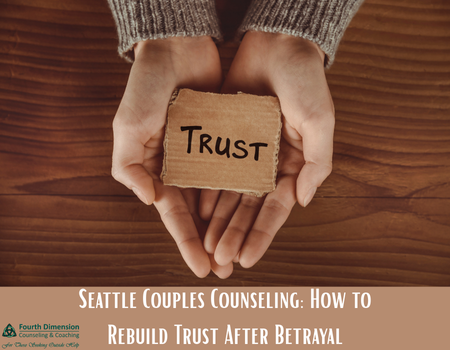
Trust is the cornerstone of any healthy relationship. When that trust is broken—whether through infidelity, deception, emotional withdrawal, or other forms of betrayal—it can feel like the very foundation of the relationship has collapsed. For couples in Seattle navigating the aftermath of betrayal, couples counseling offers a supportive and structured pathway to healing.
Seattle, with its diverse population and progressive approach to mental health, is home to many licensed and experienced couples therapists who specialize in helping partners rebuild what was lost. But what does that journey look like? And how can counseling make a difference?
 Understanding the Impact of Betrayal
Betrayal in a relationship doesn’t always take the form of physical infidelity. It could be financial secrecy, broken promises, emotional affairs, or even addiction issues that were kept hidden. Regardless of the form, betrayal causes deep emotional wounds, often triggering feelings of grief, anger, insecurity, and disconnection.
The betrayed partner may find themselves questioning everything about the relationship: “Was any of it real?” “Can I ever feel safe with them again?” The partner who committed the betrayal may be dealing with shame, guilt, and fear of losing the relationship.
Without intentional healing, these emotional wounds can fester, leading to resentment, distance, or eventual separation.
The Role of Seattle Couples Counseling
Seattle couples counseling provides a safe and neutral environment where both partners can begin to express their pain, confusion, and hopes for the future. Trained therapists help couples communicate openly without defensiveness or blame. Through proven therapeutic methods such as Emotionally Focused Therapy (EFT), the Gottman Method (which was developed just outside of Seattle), and Cognitive Behavioral Therapy (CBT), couples begin to explore the root of the betrayal and how to move forward.
Here’s how the counseling process typically supports couples in rebuilding trust:
1. Creating Emotional Safety
Before healing can begin, both partners must feel emotionally safe in the counseling space. This means the therapist ensures that sessions are free from criticism, yelling, or stonewalling. The counselor helps both individuals regulate their emotions so that productive, empathetic conversations can occur. In this phase, the betrayed partner is often validated and supported, while the partner who committed the betrayal is guided toward accountability and transparency.
2. Understanding What Led to the Betrayal
One of the most difficult yet important parts of counseling is identifying the factors that contributed to the betrayal. This is not about assigning blame or excusing the behavior but about understanding vulnerabilities in the relationship and within each partner. Perhaps one partner felt emotionally disconnected or neglected, or maybe there were unspoken resentments and unmet needs. Exploring these dynamics can help prevent future betrayals and open up deeper communication.
3. Rebuilding Transparency and Honesty
Trust cannot be restored without transparency. Counselors will often guide the partner who betrayed trust to be completely honest moving forward. This may include sharing passwords, being more accountable about schedules, or being open about emotional needs. While these measures may feel invasive at first, they serve as temporary rebuilding blocks that foster a sense of safety and commitment.
4. Healing Through Forgiveness
Forgiveness is a process—not an event. It takes time, repeated reassurance, and emotional repair. In counseling, couples work toward forgiving, not forgetting. The goal is not to erase the pain but to allow both individuals to move forward without the constant weight of resentment or guilt.
Seattle therapists often incorporate mindfulness, journaling, and emotional reconnection exercises to support this stage. They also help couples explore what forgiveness looks like uniquely for them, based on their shared values and future goals.
5. Creating a New Relationship Vision
One of the most powerful aspects of counseling is that it doesn’t just aim to “fix” what’s broken—it seeks to build something new. After betrayal, many couples report that they feel closer than ever, having faced the hardest part of their journey together taking the time to rebuild trust.
Therapists help couples reimagine their relationship. What do they want it to look like moving forward? What boundaries, rituals, or communication patterns will support their new chapter? This proactive planning gives couples a renewed sense of purpose and hope.
Choosing the Right Counselor in Seattle
Seattle offers a wide range of counseling services, from boutique therapy practices in Capitol Hill and Queen Anne to community-based mental health centers in South Seattle and Bellevue. When choosing a counselor, look for one with experience in trauma-informed care and couples therapy certifications. Many Seattle-based therapists offer free consultations, so couples can find someone they both feel comfortable with.
Rebuilding trust after betrayal is a courageous journey. It demands vulnerability, patience, and commitment from both partners. But with the guidance of a skilled couples counselor, many Seattle couples find that not only can trust be restored, but a deeper, more resilient love can emerge from the process. If your relationship is hurting and you’re ready to take the first step, couples counseling could be the beginning of your healing story.