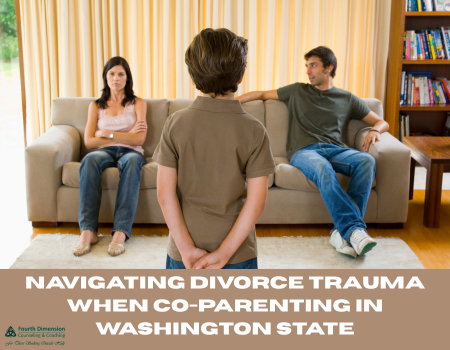
 Divorce is one of the most emotionally challenging experiences anyone can go through, and the process becomes even more complicated when children are involved. In Washington State, co-parenting is strongly encouraged by the courts, which means parents must learn how to communicate, collaborate, and support their children even when emotions are still raw. Many people find themselves seeking divorce trauma counseling in WA as a way to rebuild emotional stability and navigate the stress that comes with new family dynamics.
The journey is not only legal. It is emotional, relational, and deeply personal. Healing becomes even more important when blending families, sharing parenting responsibilities, and adjusting to life after separation.
How Divorce Trauma Shows Up During Co-Parenting
Divorce affects more than the relationship between two adults. It impacts identity, routines, expectations, and the sense of emotional safety. When co-parenting begins, many people experience unresolved trauma such as:
- Heightened anxiety during transitions
- Fear of conflict or disagreements
- Guilt about the impact on children
- Emotional triggers around communication
- Resurfaced memories of arguments or betrayal
- Difficulty trusting a former partner with parenting responsibilities
These reactions are normal, especially during the first few months of co-parenting. Trauma responses are often tied to uncertainty, and shared parenting can bring up fears that were not addressed during the divorce.
This is why many parents turn to co-parenting emotional healing resources and therapy. Emotional support helps reduce the impact of trauma on both parents and children.
Legal Stressors in Washington State That Increase Emotional Pressure
Co-parenting in Washington comes with its own unique challenges. The state prioritizes the best interests of the child, which means:
- Parenting plans must be followed consistently
- Parents must cooperate during scheduling and communication
- Court expectations can feel overwhelming
- Disagreements may require mediation
- Legal decisions about school, health, and routines can bring added tension
These responsibilities often create stress for parents who are still coping with the emotional weight of the divorce itself. High-conflict communication, fear of making a mistake, and concerns about legal consequences can deepen feelings of trauma and exhaustion.
Family-focused therapists in Bellevue and across Washington are familiar with these stressors. Many offer Bellevue family therapy specifically tailored to help parents navigate the emotional impact of legal obligations.
Blended Families and the Complex Layers of Healing
For some families, divorce eventually leads to new partnerships and blended households. While these new relationships can bring happiness, they also introduce new challenges that can deepen emotional strain. Common concerns include:
- Children needing time to adjust to new parental figures
- Balancing rules across multiple homes
- Managing jealousy or resentment
- Coordinating holidays and traditions
- Learning how to co-parent with more adults involved
Emotional healing becomes even more essential during this stage. Without support, misunderstandings can escalate and old wounds can resurface.
A strong healing framework helps parents regulate emotions, communicate clearly, and create stability for their children.
Emotional Recovery Frameworks That Support Co-Parenting
Healing from divorce trauma while co-parenting requires structured emotional tools. The following approaches are commonly used by therapists who specialize in divorce trauma counseling in WA.
1. Trauma-Informed Counseling
This approach helps clients understand how the nervous system reacts to stress. It provides tools for calming triggers, rebuilding a sense of safety, and processing unresolved pain.
2. Co-Parenting Coaching
These sessions teach communication strategies, conflict reduction techniques, and shared decision-making skills. The focus is on protecting the emotional wellbeing of the children.
3. Attachment-Based Therapy
This framework helps parents understand how divorce affects a child’s emotional development. It teaches nurturing communication, emotional validation, and supportive routines.
4. Family Therapy Sessions
Local providers offering Bellevue family therapy often include children and new partners when appropriate. These sessions build trust, shared understanding, and healthier blended family dynamics.
5. Mindfulness and Emotional Regulation Tools
Grounding skills, breathing practices, and reflective exercises help parents stay calm during high-stress moments, such as difficult conversations or schedule changes.
The Path to Emotional Healing While Co-Parenting
Healing does not mean forgetting the past. It means learning how to move forward without carrying the pain into every decision or interaction. Co-parenting requires patience, stability, and emotional clarity, and therapy provides a safe space to build those skills.
Every family’s journey is different. Some need support with communication. Others need trauma recovery. Some need help creating harmony within blended homes. All deserve guidance, understanding, and access to tools that make the transition easier.
Whether someone seeks divorce trauma counseling in WA, co-parenting emotional healing, or Bellevue family therapy, support is available. With the right emotional framework, it is possible to create a stable and healthy environment for both parents and children.
Healing is a process, but it is achievable. Families can thrive again, even after divorce.